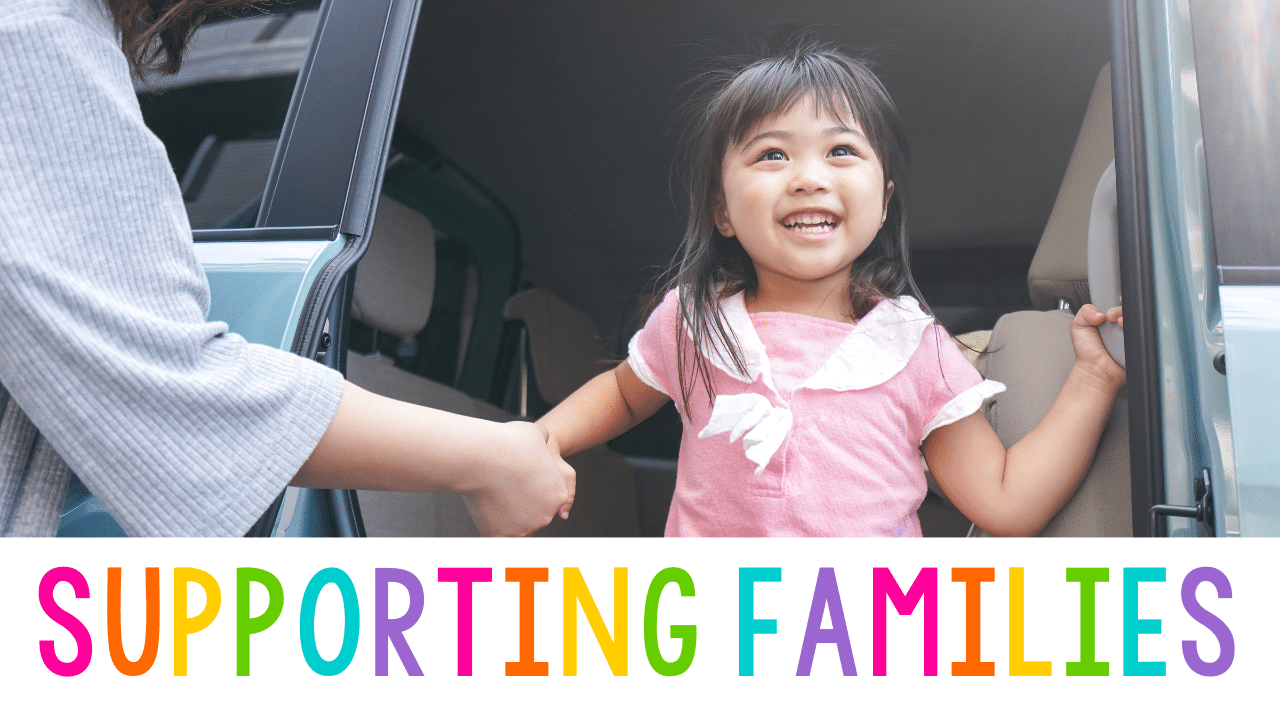




Working with families is a key part of early childhood education. However, not all family interactions go smoothly. Some families might seem “challenging,” but when we shift our mindset and approach them with empathy and understanding, we can turn potential roadblocks into opportunities for growth and connection.
Let’s look at ways to connect with difficult families in preschool. Here are some helpful tips to build better partnerships, these partnerships will help your little learners thrive.
Preschool Families with Challenges: How to Help
It’s the beginning of the school year, and your plate is already full. You’ve sent out forms, talked to families about important school rules and worked to make sure everything is ready.
But as the weeks roll on, new challenges arise. One family might have trouble getting their child to school on time. Another family may not follow the uniform rules. Some parents may not be involved in their child’s learning.
It’s easy to feel frustrated or even discouraged, especially when you think you’ve done everything but there’s still no family support. You may find yourself asking, “How can I get these families to respond? Why don’t they seem to care?”
But here’s the thing: Every family cares about their child, and they’re often doing the best they can with the resources and knowledge they have. As early childhood educators, we must work with families and support them in ways that encourage teamwork instead of conflict.
How to Build Strong Partnerships with Preschool Families
Building relationships with challenging families begins with shifting our perspective. Instead of focusing on what families aren’t doing, let’s approach each situation with empathy and problem-solving.
1. Assume Positive Intent
It’s important to remember that all families love their children and want what’s best for them, even if their approach doesn’t align with our expectations. Assume that each family is doing their best with the resources, time, and knowledge they have. For instance, a child arriving late to school may be a result of a parent’s work schedule or transportation challenges, not a lack of interest in their child’s education.
To build good relationships with families, we need to understand their challenges, it’s important to start helpful conversations. When family members feel understood and respected, they’re more likely to be open to working with you to support their child.
2. Communicate with Empathy
Effective communication is the foundation of building relationships with families. But how we communicate is just as important as what we communicate. Instead of framing interactions around what families aren’t doing, reframe your language to express understanding and offer support.
If a child is often late to school, you might say to the parent, “We miss seeing [child’s name] at morning circle time.” Is there anything I can do to help make mornings easier for you?” By focusing on the child’s well-being and offering help, you create an opportunity for the family to share their struggles. This might open the door to offering solutions, like setting up a visual morning schedule to help with routines at home.
3. Partner with Families to Solve Problems
When families are involved in their child’s education, young children are more likely to thrive. But partnering with families requires us to move beyond simple requests or demands. Instead, engage families in collaborative problem-solving.
Take the example of a child not wearing the required school uniform. Rather than enforcing the rule in a punitive way, approach the parent with kindness: “I’m happy to see [child’s name] at school every day.
I noticed they haven’t been wearing the uniform. Is there anything I can do to help?” This approach invites the family to share if they’re facing financial or other difficulties, giving you a chance to offer resources or suggestions, like connecting them with a local assistance program.
4. Involve Families in Their Child’s Learning
Involving families in their child’s learning doesn’t have to be complicated. Simple, consistent communication is key to keeping families engaged.
Share what their child is working on in class and offer practical ways they can support learning at home. For example, if you are helping a child learn to be more independent, like putting on their backpack, check in with the family. Ask them how things are going at home. You can provide a step-by-step guide or suggest using a fun routine to practice these skills.
When families feel they’re part of their child’s development, they’re more likely to be supportive partners in your classroom goals.
The Power of Face-to-Face Communication with Challenging Families
While emails and notes home are useful, nothing beats the power of face-to-face communication. Spending a few minutes at pick-up or drop-off to talk to families can help you connect with family members. This can improve relationships. It also gives you useful information about the child’s home life.
During these conversations, focus on the positives. Share something wonderful about the child’s day, then gently ask if there’s anything you can do to help with any challenges they might be facing. When families feel seen and heard, they’re more likely to trust you and partner with you to support their child.

Supporting Families During Difficult Times
Sometimes a challenging family may be going through particularly difficult times—whether due to financial hardships, family dynamics, or personal challenges. As early childhood educators, it’s our job to offer support, not judgment.
If you know a family is struggling, be proactive in offering help. Whether it’s connecting them to community resources, offering a flexible schedule, or simply listening to their concerns, your willingness to support families can have a big impact.
Good relationships with families help children feel safe. When children feel safe, they they’re able to learn more. This creates a better environment for their growth and well-being.
Challenging Families: Moving from Frustration to Collaboration
When working with challenging families, it’s easy to fall into the trap of frustration. But shifting your mindset from “Why aren’t they doing this?” to “How can I help?” can transform your interactions with families. Instead of seeing obstacles, you’ll see opportunities to build relationships.
Remember, building relationships with families takes time, patience, and empathy. Not every family will be ready to make changes or take your advice right away, and that’s okay. Stay consistent, stay positive, and keep offering support. Over time, these small efforts can lead to stronger partnerships and a better learning environment for your students.
Building Relationships that Last
At the heart of early childhood education is the belief that every child deserves the best possible start. By building relationships with families—especially those that seem challenging—we’re giving our students the best chance to succeed. We can help children and their families by solving problems together.
Open communication is important. Sometimes, just listening can make a big difference. This way, we can create a supportive place for everyone to grow.
When we move from feeling frustrated to feeling empathy, we create better relationships with families. This helps us build trust and understanding. It also lays the groundwork for learning that lasts a lifetime.
©2024 Pre-K Pages, LLC Terms of Use