![[Image: Preschool math skills]](https://www.pre-kpages.com/wp-content/uploads/2022/03/EEC41_wide.jpg)

Teaching math skills to preschoolers is not always straightforward.
Not every child will find it easy to jump into the world of numbers, and some might even find math pretty intimidating.
So, how can we, as early childhood teachers, help facilitate this for them? And where do we even start?
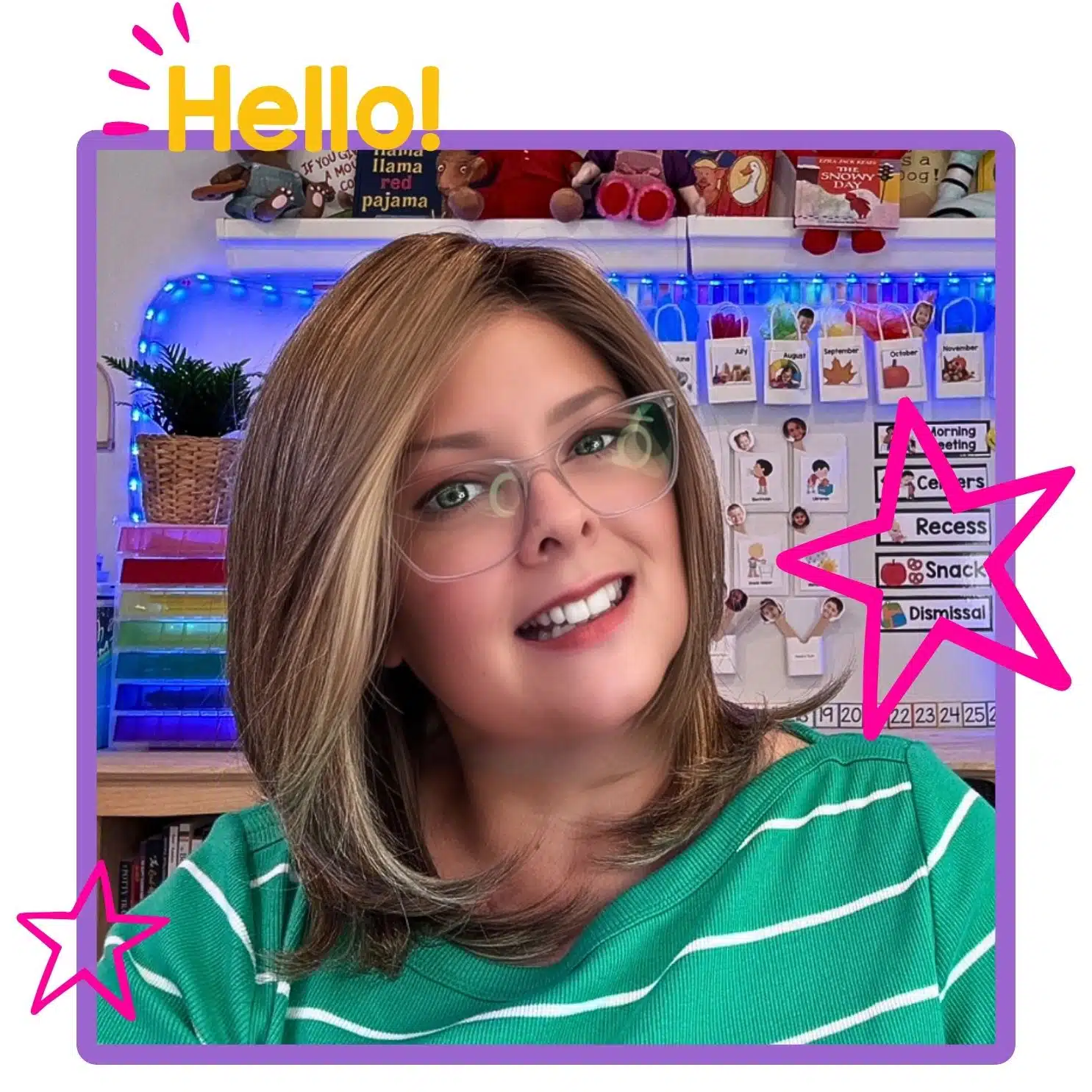
These are the questions I ask today’s guest, who is none other than the amazing Shannon McCartney.
Shannon is an international consultant and author whose work helps teachers from all around the country embed developmentally appropriate numeracy concepts in their classrooms.
She is also the founder of Strategic Intervention Solutions and the creator and executive producer of Math Mights on PBS.
All in all, Shannon is a star (and I’m not saying that just because she’s a dear friend of mine), and today, she’s here to help us build strong numeracy brains in our students.
Are you ready?
Let’s dive in!
Teaching Preschool Math Skills
![[Image quote: "We can build really strong numeracy brains in early childhood."]](https://www.pre-kpages.com/wp-content/uploads/2022/03/EEC041_quote1.jpg)
Where does math learning begin? Is it with recognizing numerals and moving on to higher calculations? Or is it with something else?
As I always say, it’s important to understand the precursors when you want to teach things like identifying numerals in preschool, and this is exactly what I discussed in today’s interview with Shannon.
Where to Start
As Shannon says in the episode above, numbers, a lot like letters, are just symbols in the eyes of children. So, it’s important for preschoolers to understand what’s behind the symbols first, before learning about them.
Preschool teachers sometimes find themselves pressured to teach children to count and learn their ABCs, but none of this matters if the students don’t understand the meaning behind what they’re learning.
As Shannon says in the interview:
“The focus [on getting preschool students ready for kindergarten] feels like we have a checklist. The children have to know all these sight words and all these numbers, and that’s how they’ll be ready for kindergarten. When, in fact, there’s many layers [we need to work on] before we get to what’s called the abstract.”
What does this mean for teaching math skills to preschoolers? Well, it simply means you have to start with the first layer, which is called kinesthetic one-to-one correspondence.
Kinesthetic One-To-One Correspondence
![[Image quote: "Kinesthetic one-to-one correspondence is the first level we have to work on in numeracy."]](https://www.pre-kpages.com/wp-content/uploads/2022/03/EEC041_quote2.jpg)
If your students are struggling with counting activities, then they probably don’t have kinesthetic one-to-one correspondence.
What is it, exactly? Well, only the backbone of all math skills and the first thing you should start with when teaching them to young children!
You can test for it very easily. Shannon explains it better than I ever could in the episode above, so make sure to give it a listen!
“Should I Start Panicking Now?”
What if you’ve tested your preschool students —or your child— and they don’t have kinesthetic one-to-one correspondence? Should you panic? And is it something that will affect their overall schooling?
Well, as Shannon says, “Absolutely not!”
Preschool is the best developmental time, and some children might take longer than others to develop math skills. But just because your three year old can’t count to twenty doesn’t mean they won’t be able to have a successful life.
So, if they don’t have kinesthetic one-to-one correspondence, work on it with them. You don’t need a lot of materials, and the set-up is pretty straightforward! Don’t panic, make sure to work on it with your students, and soon enough, they’ll be developing math skills!
Shannon and I discuss all of this in more depth in the episode above, so make sure to give it a listen to learn everything you need to know about kinesthetic one-to-one correspondence and how you can use it to teach your students math skills!