


As teachers, we’re constantly juggling various challenges, and when it comes to preschoolers, there’s one challenge that’s steadily growing: helping our little learners develop healthy social-emotional skills. But don’t worry! With a sprinkle of mindfulness and a dash of creativity, we can turn our classrooms into peaceful havens for learning and growth. Today, we’ll explore some easy mindfulness strategies and how to set up a calming area with intention.
Watch the Podcast Episode
Mindfulness: What’s the Buzz About?
Mindfulness might sound like a lofty term, but it’s quite simple. It’s about being aware of our students’ emotional states and figuring out how we can support them through it. As teachers, we need to stay emotionally grounded to help our students transition from chaos to calm. It’s like being on a lawnmower, where distractions can feel like massive boulders in our path—a mindful approach is our seatbelt!
Why is Mindfulness So Helpful?
More kids are entering our classrooms with a multitude of feelings, and many are finding it tough to manage them. We’ve seen an increase in kids who struggle with emotional regulation. Once or twice, there might have just been one or two in a classroom, but now, it seems more common to have several. That’s why mindfulness and regulation strategies are a must-have in our teacher toolkit.
![[Image: Calm Down Corner]](https://www.pre-kpages.com/wp-content/uploads/2021/07/Calm-Down-Corner-in-Preschool-Vanessa-Levin.jpg)
Setting Up a Calm Down Corner: Your Classroom Sanctuary
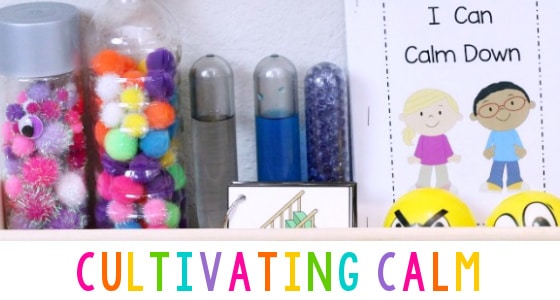
The calm down corner is a game-changer. It’s not just another classroom center; it’s a purposeful tool to support students through emotional peaks. Think of it as your classroom’s little nook of tranquility.
Steps to Setting Up
Start Simple and Safe: Begin with just a few items like a rug and some plush pillows—safe things to throw (because who knew? They might just try!). Avoid clutter or breakable objects.
Intentional Introduction: Present the calm down corner and user guidelines to your students step-by-step. Explain its purpose and use the calming area intentionally, not as a timeout space.
Tool Kits: Use a pinwheel for breathing exercises. It’s simple and engaging for little ones. They can practice breathing techniques by using the pinwheel, and even pretend with imaginary ones.
Teacher Tools: Remember to pause and breathe before assisting students. Tools like teacher talk cards can help you articulate what to say when emotions are high.

Rolling Out Mindfulness Activities
Introduce mindfulness slowly. A little secret: a basket or a small crate filled with easy-access tools can be efficient. Utilize cards or visuals to cue the breathing exercises, like laminated rainbows where kids trace as they breathe, or even better, add a little sensory fun with safe gel bags during setup practice.
A Resource to Help
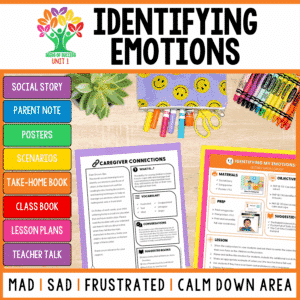
The Seeds of Success Unit: Identifying Emotions has resources and lessons plans to help you set up your calm down corner. Also lessons to help preschoolers cope with their big emotions–sad, mad, and frustrated.
FAQ: Calming Skepticism
Worried students might misuse the calm down corner? It’s all about how you initiate and guide. Teach them how to utilize the space appropriately, and ensure they know it’s a resource, not just a hideaway. Whether it’s breathing exercises, yoga poses, or reflective stories, continually refresh your tools and instructions to keep the space purposeful and engaging.
Final Thoughts: Tools Not Timeouts
The calm down corner isn’t a timeout corner; it’s a toolkit for helping students learn emotional regulation. By using these strategies, you’re giving them skills not just for the classroom, but for life.
Remember, as teachers, we’re setting the emotional tone for our classrooms. By integrating mindful strategies, we’re empowering ourselves and our students, turning our classrooms into oases of calm. So go ahead, start small, be intentional, and watch the tranquility unfold! Until next time, keep breathing and teaching, friends!
Watch the full podcast episode for all the strategies that Meg and I discuss.