![[Image: Process art vs. product art]](https://www.pre-kpages.com/wp-content/uploads/2022/10/EEC067_wide.png)


Every pre-k teacher knows it, making art is a big part of preschool.
It’s a great way for the children to be creative, enrich their imagination, and develop their fine motor skills in a fun and enjoyable manner.
However, making sure your students are creating the right kind of art is important.
Because yes, the kind of art your kids are making does matter.
Process art and product art are two types of activities that usually happen in the preschool classroom.
The difference between them is that the former focuses more on the process and is more about seeing art as a form of creative expression, while the latter focuses more on the end result.
Which one is better for your students’ development?
Tune in to today’s episode to find out!
What Is Product Art?
![[Image quote: “Process art is a much more joyful experience for both teachers and students [as opposed to product art].” - Vanessa Levin]](https://www.pre-kpages.com/wp-content/uploads/2022/10/EEC067_quote2.png)
Before we start, I want to be sure we’re all on the same page when it comes to the definition of the term “art project” or “product art,” which both mean the same thing.
Any time we have an expectation of what the end result should look like is considered product art.
Some teachers believe that product art is a way to teach their students skills like how to use scissors, how to listen and follow directions, how to recognize and create shapes, etc…
And of course, teachers also use it for those dreaded parent gifts or keepsakes that take up tons of time.
What Is Process Art?
The opposite of product art is process art, which is, as its name would indicate, more about seeing art as a form of creative expression.
Process art is all about children exploring art and collage materials freely and using those materials to create whatever they choose.
When it comes to this type of art, it’s all about the process, rather than the product.
Process Art vs. Product Art: Which Is Better?
![[Image quote: “The opposite of product art is process art, which is […] more about seeing art as a form of creative expression.” - Vanessa Levin on the difference between product art and process art]](https://www.pre-kpages.com/wp-content/uploads/2022/10/EEC067_quote3.png)
I personally believe that the more freedom we give children to be creative, and the less we try to control what they do and how they do it, the better. Which is why I will always prefer process art over product art.
However, my opinion doesn’t really matter.
You know whose opinion matters, though?
Scientists’!
Research shows that children learn best through play and open-ended exploration, and process art aligns with how young children’s brains develop and learn, because it allows them to choose which materials to use and how to use them.
Research also shows that a high-quality preschool curriculum is one that is research-based and developmentally, culturally, and linguistically relevant for all children.
It’s interesting to note that the curricula that are considered high-quality don’t include product art either.
All in all, process art is a much more joyful experience for both teachers and students. It frees up your time as the teacher, and it helps your kids feel free to create whatever they choose in the art center each day.
What About Fine Motor Skills?
You might be wondering “How do I help my students develop their fine motor skills if I don’t use product art activities?” and lucky for you, I have the answer!
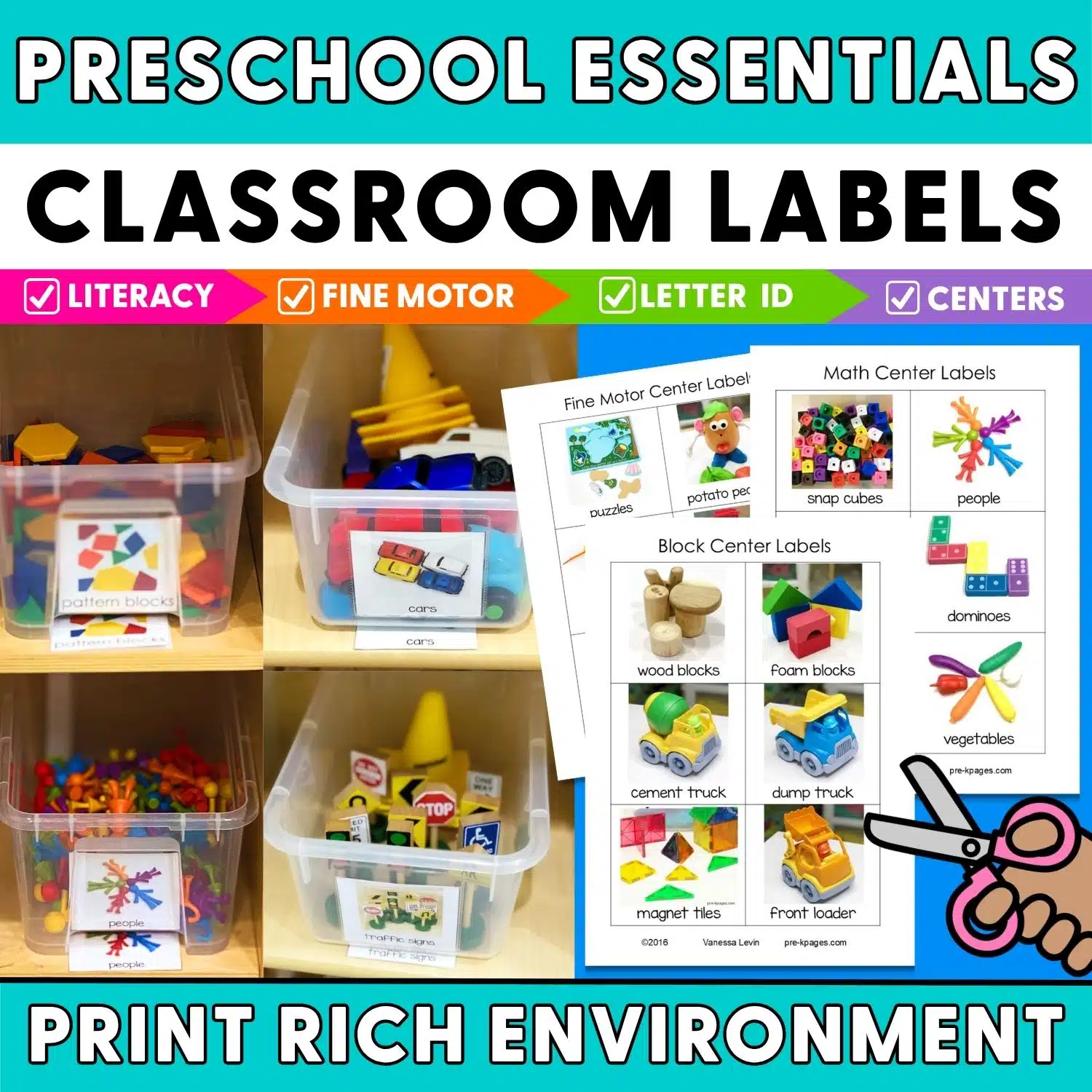
Take a closer look at the opportunities you already have for kids to develop their fine motor skills; Legos, span cubes, potato heads, a water table, etc… Chances are, you already have a lot of these in your classroom.
You can also start beefing up the fine motor opportunities in each of your centers.
For example, I make sure I always use manipulatives during my math small group activities. This way, students are always picking up small objects to exercise their pincer grasp.
I am also now more intentional about the art easel and the writing center in my classroom. And I often change out things to keep it fresh and fun, and of course, develop those fine motor skills.
These are just a few examples of changes you can make to your classroom to help your students with their fine motor skills.
Once you start embracing the idea that skill learning isn’t tied to product art, your life as a preschool teacher will become much easier.
I discuss all of this in more depth in the episode above, so make sure to give it a watch!
Links Mentioned in this Episode:
Learn how to set up an art center for your classroom