



Preschool Morning Tubs
If you’ve been looking for a way to make starting the day smoother in your preschool classroom, morning work tubs may be just what you need! These play-based tubs let children practice important skills. They can work on academics, fine motor skills, and social skills—all while having fun. Best of all, students love coming into the classroom, choosing their activity, and getting right to work with engaging tub activities that feel more like play than “work.”
What are Morning Work Tubs?
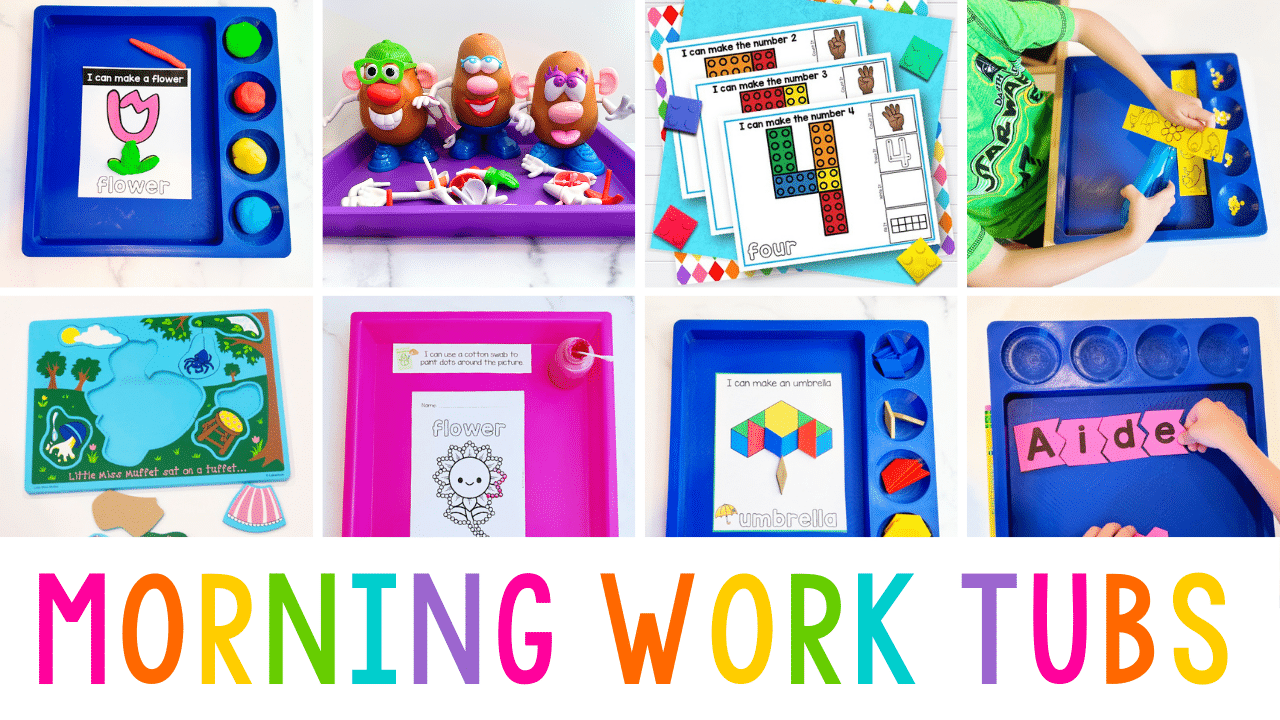
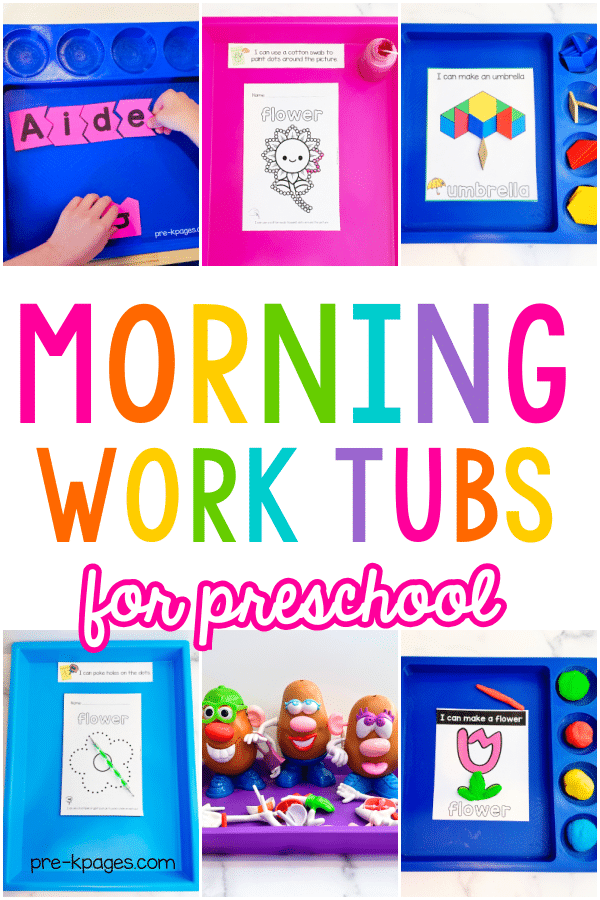
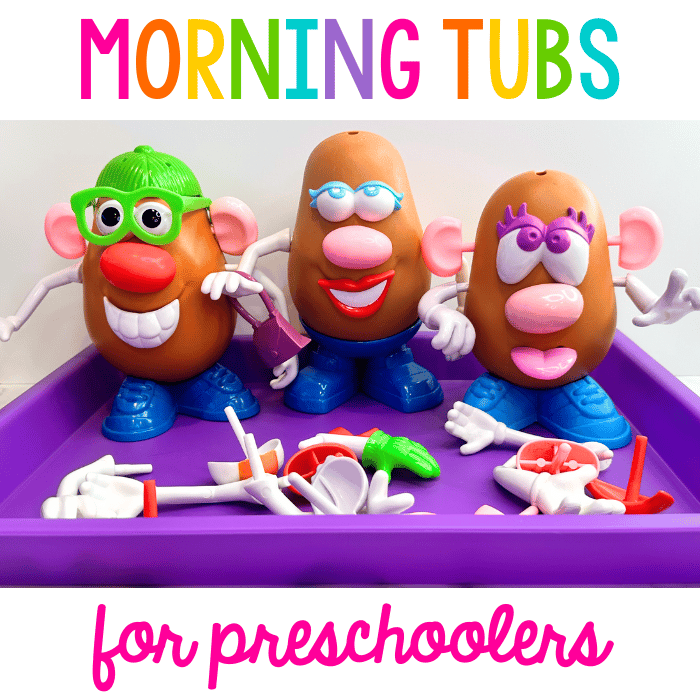
Morning tubs, also known as morning bins or trays, are small containers. They hold fun activities for children to do on their own when they arrive each morning. These activities are hands-on, developmentally appropriate. They offer simple materials like pom poms, small blocks, snap cubes, puzzles, or everybody’s favorite – Potato Heads!
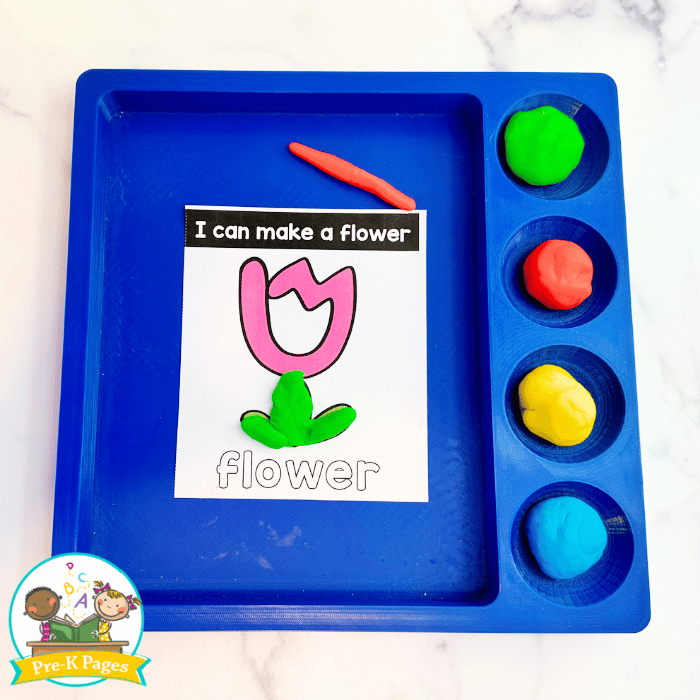
Instead of worksheets, kids use hands-on tools like letter beads, play dough, or tweezers for moving small objects. The goal is to give children a purposeful yet playful way to settle into the classroom and transition into the morning routine while waiting for all their classmates to arrive.
You can use some of these tub ideas as quiet activities for your students who don’t nap during rest time.
Benefits of Using Morning Tubs
So many reasons exist for why preschool and pre-K teachers use morning tubs. Here are a few of the biggest benefits:
- Smooth transitions: Children know exactly what to do when they walk in, which reduces chaos.
- Independence: Tubs encourage kids to follow routines and manage their own play.
- Skill practice: Teachers can include activities that reinforce concepts like counting, sorting, letter recognition, or fine motor skills.
- Social learning: Working in pairs or even small groups naturally fosters cooperation, turn-taking, and communication.
- Play-based academics: Children are learning through play without the pressure of traditional worksheets.
Morning tubs combine structure with fun, helping children ease into the school day while building essential life and academic skills.

How to Manage Morning Tubs
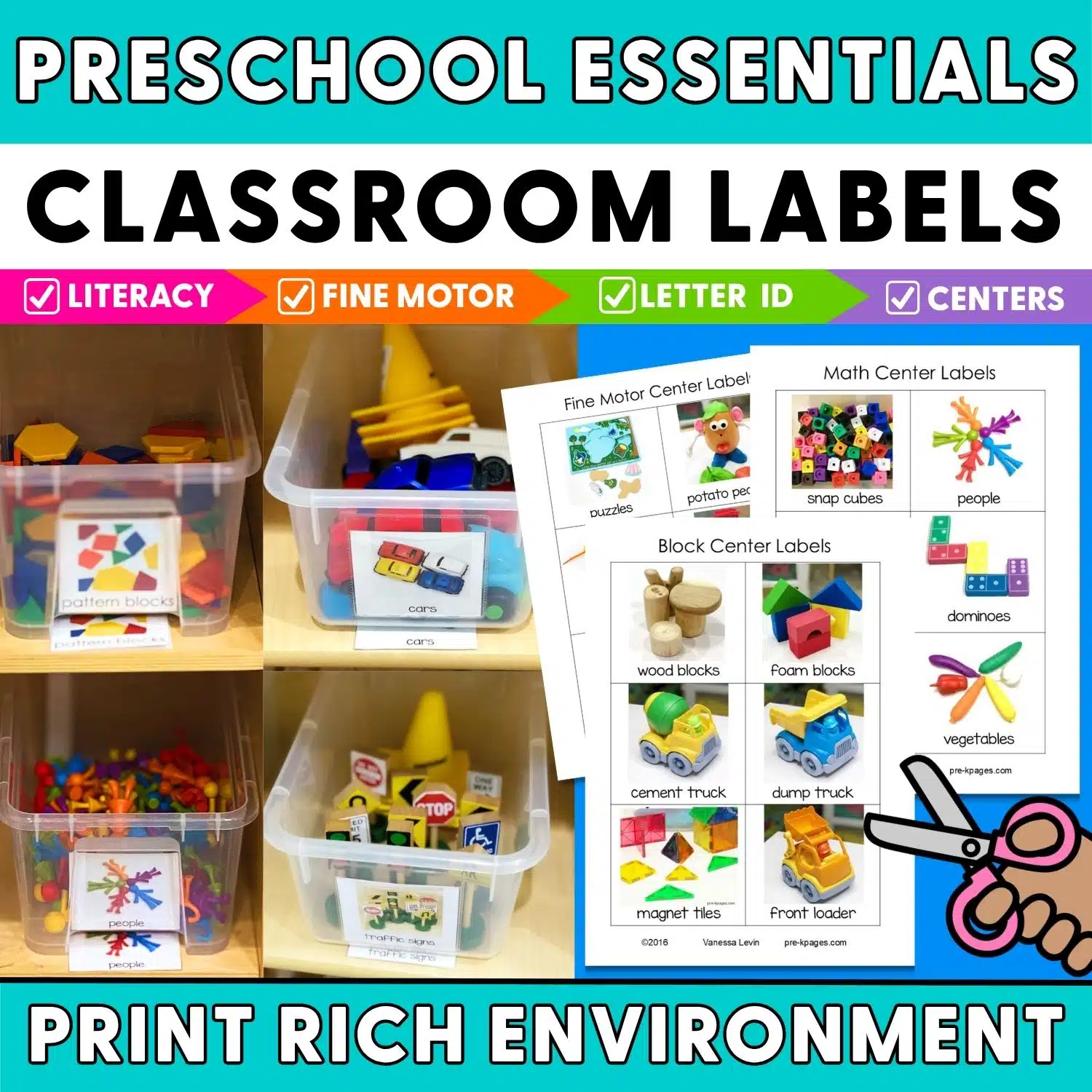
The key to success with morning tubs is consistency. Decide when students will use them, such as during the first 10–15 minutes of class, and determine where to store the tubs. Keep them in easy-to-reach tibs, bins, or baskets clearly labeled with pictures so children can quickly find their preferred activity.
In the preschool classroom, we never number the tubs because we know that young children learn from the concrete to the abstract, and numbers are abstract. Little learners don’t always know how to identify numbers on the first day of school. This means each activity is labeled with a picture on the shelf and on each end of the tub, bin, or basket.
Yes, influencers all over social media may be promoting the use of numbers on morning work bins. Yes, they might say that numbers make storage easy. They look nice and neat and also help kids learn numbers. But that doesn’t mean this is the best choice for preschool or pre-k.
As a professional early childhood educator, you follow the research – which clearly shows how young children’s brains learn and grow. There are plenty of other opportunities for young children to practice numeral recognition throughout the day, but morning tubs are not the right time.
How Many Morning Tubs Do You Need?
If you have 20 children in your class you do not, I repeat, do not need one tub per child.
One of the top 4 factors that determine future literacy success is oral language skills.
Allowing only one student per tub may seem like a good idea. However, it takes away chances for kids to practice important speaking and social skills. They learn these skills best when they work with a partner or a small group. Collaboration also encourages social skills like sharing, problem-solving, and negotiating.
To start with morning tubs, first check what you already have in your classroom. Look for items that could work for an activity. You can always add more tubs later if needed.

Morning Bins Routine
Your morning routine sets the tone for the day, and tubs fit perfectly into that structure. Children come in, put away their belongings, and choose their preferred tub. This predictable routine helps them feel safe and confident.
After a set amount of time, signal cleanup and gather the class for circle time or your next transition. As kids learn to manage themselves, you can connect with families, take attendance, or help individual students during this time.
Avoid assigning students to specific tubs at all costs- this robs them of the opportunity to make a choice as soon as they enter the classroom. Research clearly shows that more choices = better behavior because children feel in control.
You may also want to avoid rotating tubs, which doesn’t allow for choice. Rotating tubs from student to student puts the teacher in control. You’ll be working smarter, not harder when you offer free choice tubs.
Morning Work Tub Materials
Wondering what to put inside your tubs? My motto is Flat is Boring, 3D is Fun!
Here are some favorite morning tub ideas:
- Pom poms with tweezers for sorting by color or size (great for fine motor development).
- Snap cubes for pattern building, counting, or free play construction.
- Building block challenges like stacking towers or copying simple designs.
- Matching games, such as cards where children match the number of dots to a numeral.
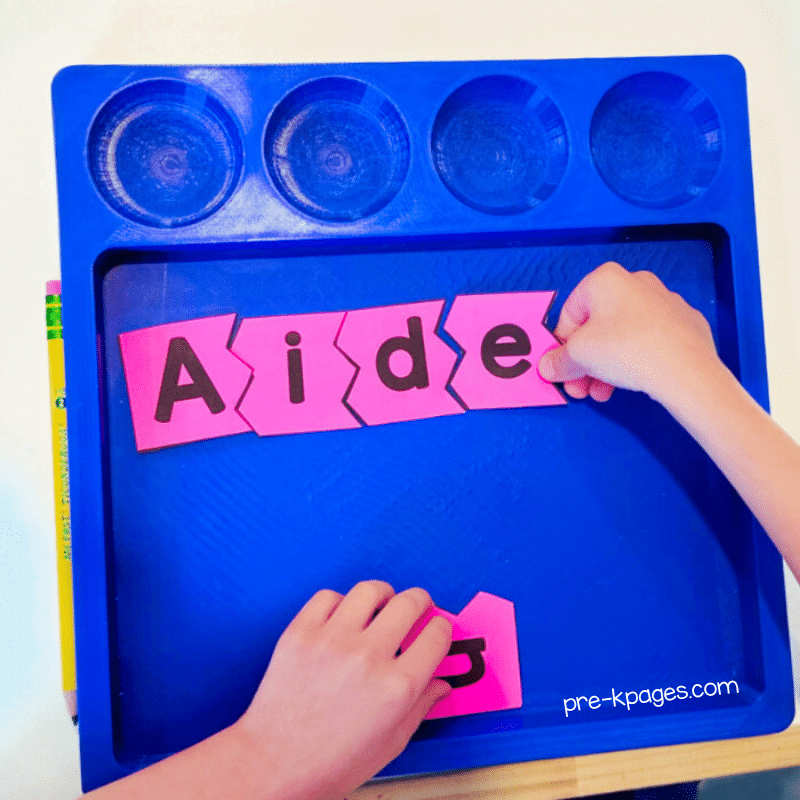
- Name puzzles
- Bead stringing, lacing cards, or playdough mats for hand strengthening.
- Age-appropriate puzzles
- Magnetic letters for sorting
Choose materials that are easy to prep, durable, and engaging. Remember: the goal is purposeful play, not perfection.
Morning Work Tubs: When to Switch Out Activities
To keep students engaged, plan to switch out tub activities every 2–4 weeks.
The exact timing depends on your students—if they’re losing interest, it’s time for a refresh!
Seasonal themes or academic goals can guide your choices. For example, in the fall you might add leaf counting activities, while in spring you could introduce flower pattern building. By changing activities, you will keep the tubs fun and interesting. This also helps improve important academic and fine motor skills.
Morning work tubs are not just busy work. They help preschoolers transition smoothly and practice important skills. They also help kids start their day in a fun and playful way.
By using play-based learning and a clear morning routine, you will give your students a choice to start each school day. You will also enjoy the calm and structure it brings to your classroom.
More Fine Motor Skill Building Ideas
Keep the learning going with these quick print activities perfect for your centers!