
I don’t know about you, but I’m pretty certain hearing a student say “I’m boooooored!!” is every preschool teacher’s nightmare.
I’ve been through this before, as have you, I’m sure.
And, because of that, I know you can imagine the panic in every teacher’s head when those cursed words are uttered.
But, have you ever stopped to ask yourself why your students are saying this?
You see, it’s not always boredom, but something else.
What is it?
Well, you’ll have to listen to this episode to learn the answer to that question!
Are you ready?
Let’s dive in!
“I’m Bored!” – What Preschoolers Really Mean
I remember when I was growing up, if I said “I’m bored” to my grandparents they would say, “If you’re bored then I have some chores for you to do!”
My grandfather would tell me to go out in the yard and pull weeds or rake leaves, depending on the season. And my grandmother would hand me a toothbrush and tell me to scrub the grout in the bathroom.
Because adults are so busy, it’s impossible for many of them to even imagine being bored. Plus kids have so many toys and outlets these days that we, as adults, have a really hard time understanding why they say they’re bored.
However, as preschool teachers, we should be able to translate what our students are telling us into what they really mean.
Because sometimes, when young children say they’re bored, they simply don’t know how to describe their feelings. And our job is to help them cope with those emotions.
Here are three things we can do to support children when they say they’re bored, especially at a young age:
Understand Why They’re Saying They’re Bored
I like to think of all behavior as communication. And I know that in this case, the words “I’m bored” aren’t a behavior. Instead, they’re the words a child uses to tell us that they have a need that isn’t being met.
They just don’t have the sophisticated vocabulary for telling us that yet.
Think about it for a minute. Which one of these statements makes the most sense coming out of the mouth of a preschooler: “I’m overwhelmed, there are too many choices for me to make and I can’t narrow it down by myself, can you help me please?” or “I’m bored?”
You guessed it! “I’m bored” can sometimes be an easy button for children to tell us they have unmet needs.
Plus, in some cases, a child may have learned the words from an older sibling and they’re just repeating it because they’ve translated it to mean “I don’t know what to do next.”
Gain a Better Understanding of How Children Develop Skills
![[Image quote: “The words “I’m bored” aren’t a behavior, instead, they’re the words a child uses to communicate with us, as adults, that they have a need that isn’t being met.” - Vanessa Levin]](https://www.pre-kpages.com/wp-content/uploads/2022/11/EEC073_quote1.png)
In the classroom, you may see kids who just wander from center to center, don’t stay in one place for very long, or say “I’m bored” all the time. These children may be having difficulty with task initiation.
Having task initiation issues means children have difficulty deciding what to do, making a choice, knowing where to start, or following through with a choice.
Young children begin to develop these task initiation skills between the ages of three and five. This is a skill that develops over time, so even by age five, many will not have mastered it yet.
So if your students struggle with this in the classroom, they might have too many choices. Or it may be because they’re just too young to make a coherent plan.
Scaffold and Support the Development of Executive Function Skills
Because task initiation is part of a much broader set of skills commonly known as executive function, it also draws on other skills, such as:
- Organization
- Sustained attention
- Perseverance
- Impulsive control
- Cognitive flexibility
- Problem solving
So, how do you translate all that information into actionable and practical ways to help young children in your classroom?
The answer is easier than you think! Play games like: Follow the Leader, Simon Says, and Red Light, Green Light.
You can also offer open-ended centers, like process art or play dough, that invite children to create and explore materials. This will help them exercise their planning, organization, cognitive flexibility, and problem-solving skills.
Use The Plan-Do-Review Method to Help Bored Children
![[Image quote: “The words “I’m bored” aren’t a behavior, instead, they’re the words a child uses to communicate with us, as adults, that they have a need that isn’t being met.” - Vanessa Levin]](https://www.pre-kpages.com/wp-content/uploads/2022/11/EEC073_quote3.png)
Another way you can help young children develop task initiation in the classroom is through a daily practice known in the early childhood world as plan-do-review.
This method supports not only the development of task initiation, but also executive function skills like working memory, mental flexibility, and self-control.
I delve into the plan-do-method (and everything else) in more depth in the episode above, so make sure to watch it to learn more!
Links Mentioned in this Episode:
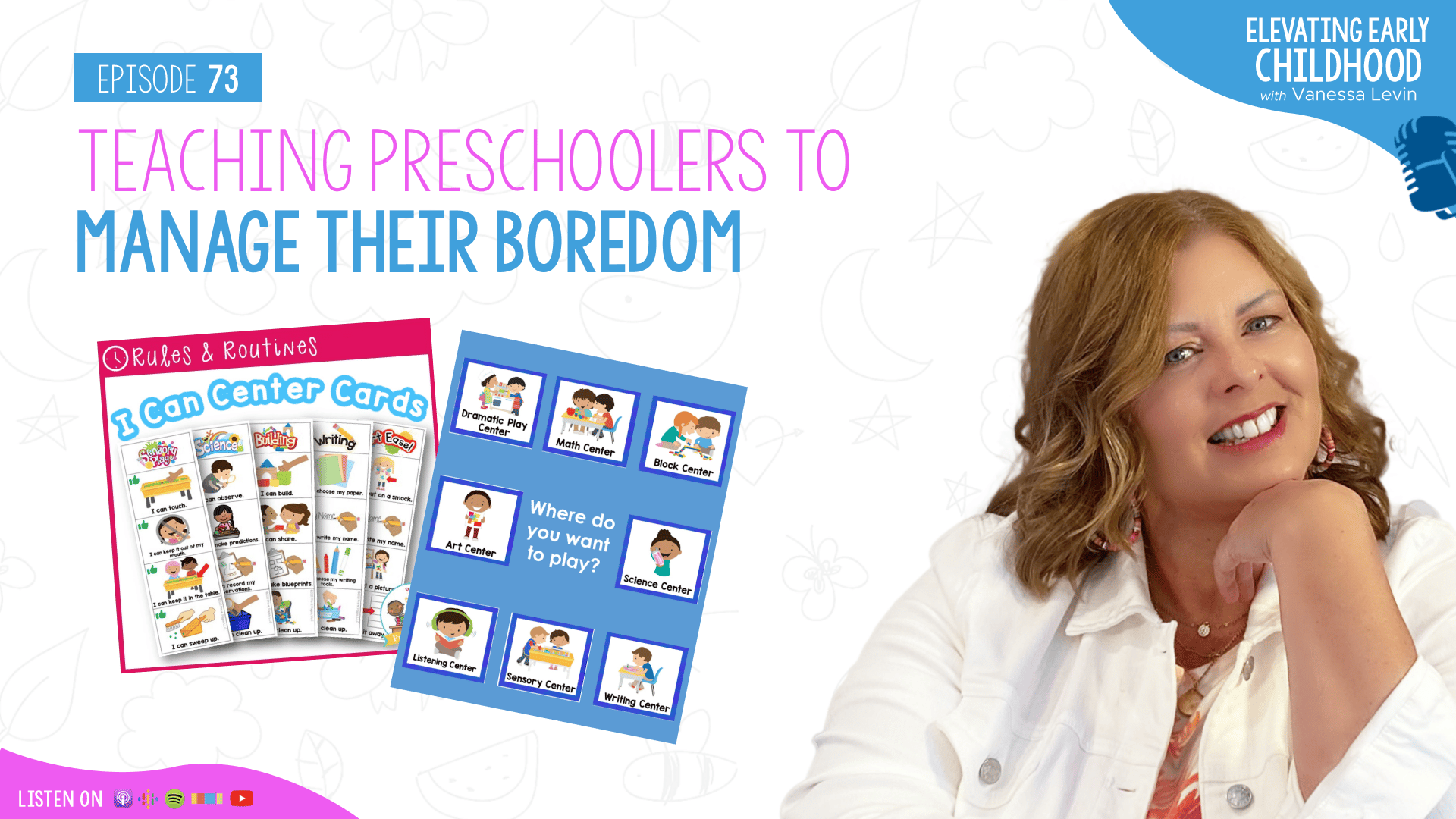
Get your center rotation cards
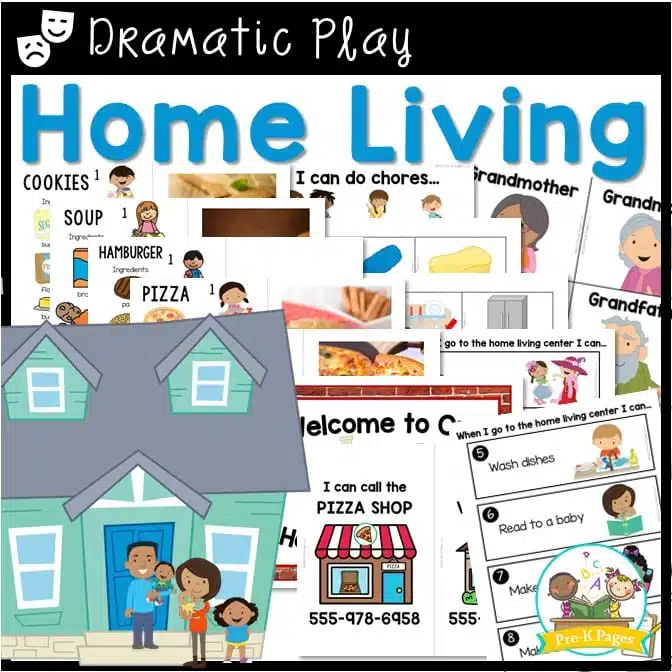
Discover the “I Can” center task cards
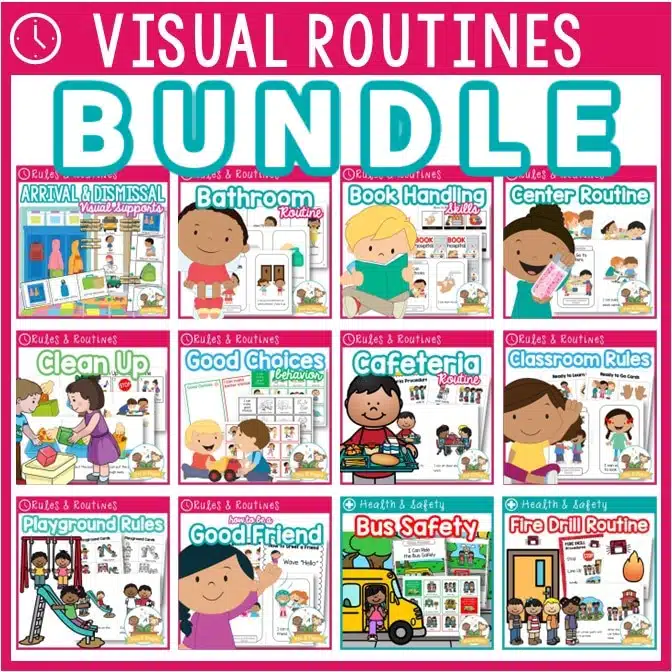
Get your Visual Routines Classroom Management Bundle
Grab your Clean-Up Visual Routines Classroom Management Bundle
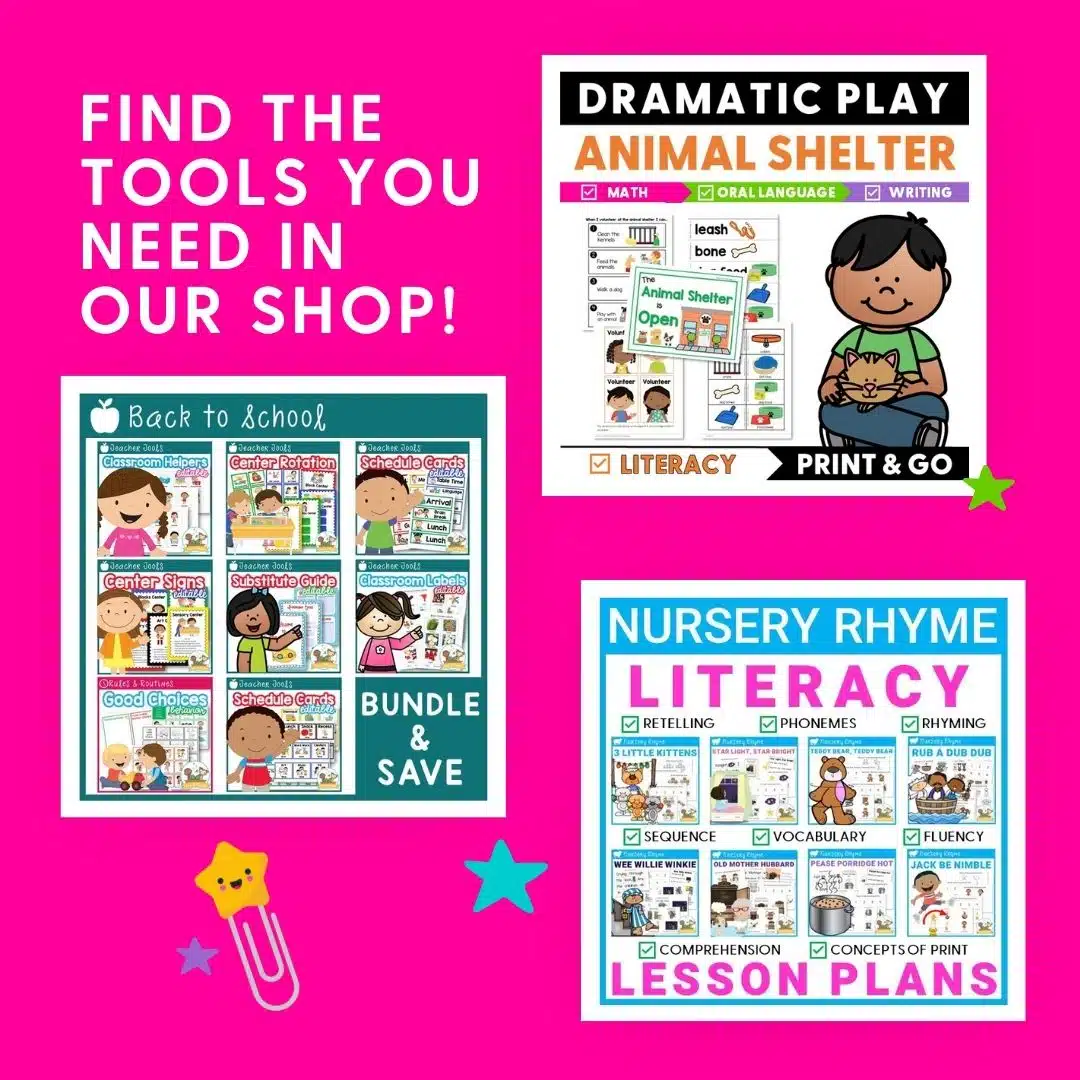
Get your Back-To-School Classroom Bundle