


Let’s be honest: preschool nap time can be a real challenge in the preschool classroom. It’s amazing when it works, but total chaos when it doesn’t. When done right, rest time becomes a peaceful and soothing experience that helps young children reset, recharge, so they’re ready to learn and play.
If your classroom turns into a chaotic nightmare every afternoon instead of a soothing slumber party, you’re not alone! We’ve all been there. That’s why I have gathered my favorite nap time tips. These tips are tried, tested, and approved by teachers. They will help you make nap time a calm and cozy part of your daily routine.
Ready to create a more peaceful rest period? Let’s get into it!
Why Nap Time Matters in Preschool
The preschool day is full of movement, learning, and excitement. But all that fun can wear your little learners out fast. That’s why rest time is more than just a break—it’s essential for children’s physical and mental development.
When preschoolers have time to rest:
- They’re better able to regulate their emotions
- Their brains process what they’ve learned
- They have more energy for afternoon activities
- They develop healthier sleep habits overall
Even kids who don’t fall asleep during nap time benefit from having a consistent quiet time to relax and recharge.
Set the Stage: Creating a Calm Napping Space
The environment plays a huge role in a successful nap time routine. Here’s how to set up your space so it feels calm and inviting.
1. Dim the Lights: Start winding down by dimming the lights or turning off harsh overhead lights. If you can, add twinkle lights or a soft lamp to make the room feel cozy.
2. Play Soft Music or White Noise: Play soft classical music, nature sounds, or white noise to signal that it’s time to relax. Nature sounds, instrumental music, or gentle shushing noises can all work wonders.
3. Use Consistent Nap Mats: Assign each child their own labeled nap mat to help build consistency and comfort. Letting kids add a favorite stuffed animal or blanket (if allowed by your center) makes the space feel more personal.
4. Separate the Mats (When Possible): Spacing mats out gives children more room and minimizes distractions. If space is tight, consider head-to-toe placement to reduce chatter and giggles.
Establish a Predictable Nap Time Routine
A consistent routine helps signal to young children that it’s time to rest. The more predictable it is, the smoother things go.
5. Build a Wind-Down Transition: Right before nap, avoid rowdy activities or loud songs. Instead, choose quiet activities like:
- Reading a calming story
- Doing simple breathing exercises
- Gentle stretches or yoga poses
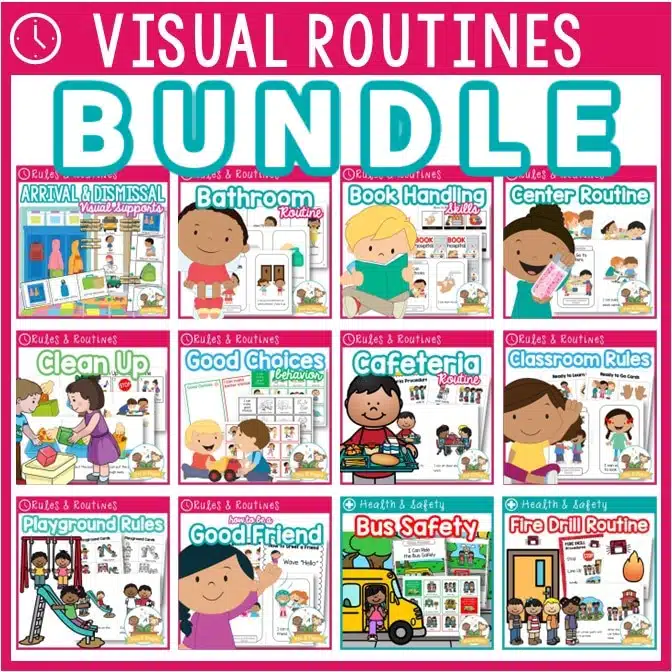
6. Use Visual Schedules: A visual nap time schedule with simple pictures can help kids know what comes next. This is especially helpful for those still learning language.
7. Narrate the Routine: Use the same language each day: “First, we find our nap mats. Then we lay down and cuddle our stuffed animal. Now we close our eyes and listen to the music.” This repetition builds comfort and security.
Help Kids Wind Down: Tips to Fall Asleep (or at Least Stay Calm)
Let’s face it—not every child will fall asleep during nap time. And that’s okay! The goal is to help them relax, even if sleep doesn’t happen.
8. Practice Deep Breathing Together: Teach kids to take deep belly breaths while lying on their mats. Try having them place a small stuffed animal on their tummy and watch it go up and down.
9. Provide a Calm-Down Object: A soft fidget, stress ball, or textured toy can help children relax during quiet time.
10. Model Restful Behavior: If your assistant or co-teacher is available to manage the group, take a few minutes to lay on a nap mat yourself. Model relaxing body language and deep breathing—it sets the tone for the room.
What to Do with Kids Who Don’t Nap
Some children simply won’t fall asleep, no matter what you do. Instead of battling it, shift your focus to helping them rest quietly so they don’t disturb their classmates.
11. Create a Quiet Time Box: Fill a small bin with quiet activities like:
- Books
- Felt stories
- Puzzles
- Blank paper and crayons
Let non-nappers use these materials independently on their mats once the class has settled.
12. Set Clear Expectations: Teach kids that quiet time means staying on their mat. They should use a whisper voice or no talking at all. It is important to be respectful of friends who are sleeping.
13. Use a Timer: Tell children they can get up and pick a quiet activity after a set time, like 20 to 30 minutes. Use a visual timer so they can see how long is left.
Troubleshooting Common Nap Time Challenges
Sometimes, no matter how hard you try, preschool nap time just doesn’t go as planned. Here are a few quick fixes for common issues:
14. Too Much Light: Try blackout curtains, paper over windows, or room dividers to block sunlight. Remember, lights shining on sleepy eyes can make it harder to wind down!
15. Too Much Noise: If outside noise is a problem, crank up the white noise machine or use calming instrumental music to mask distractions.
16. Wiggly Bodies: Some kids need help getting their energy out before lying down. Try a few minutes of yoga or “stretch and squeeze” exercises to prepare their bodies for rest.
Final Nap Time Tips for Preschool Teachers
Every classroom is different, and every child has unique needs—but a few golden rules apply no matter what:
- Be consistent. Kids thrive on routines.
- Keep it positive. Praise quiet bodies and calm choices.
- Stay flexible. If something isn’t working, tweak it!
- Take care of yourself, too. Use nap time to catch your breath, prep materials, or enjoy a moment of quiet.
Remember, creating a calm environment during nap time doesn’t happen overnight. With patience, structure, and a bit of magic, your preschoolers will learn to rest and reset. This will make the rest of your day smoother, happier, and more connected.
You’ve Got This!
Nap time doesn’t have to be stressful—it can actually be one of the most peaceful parts of your day. By creating a good nap time routine, setting a calm tone, and helping each child, you make a space where young children can rest and grow.
And let’s be honest… a little break in the middle of the day? We could all use a little of that!
Free Editable Daily Schedule
When preschoolers have a predictable and consistent daily schedule in place and they know what your expectations are for each upcoming activity, they feel safe and secure and are ultimately more willing to learn.
I’ve taught both full and half-day schedules and I’ve included free editable templates of both types for you here. To have the editable schedules emailed to you, simply fill out the form below.