
I’m back today to continue our Literacy Beginnings book study blog party with Chapter 9: Supporting English Language Learners in the Prekindergarten Classroom.
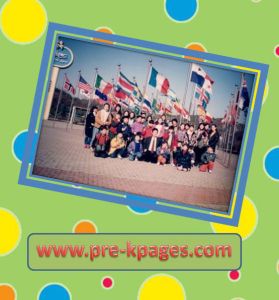
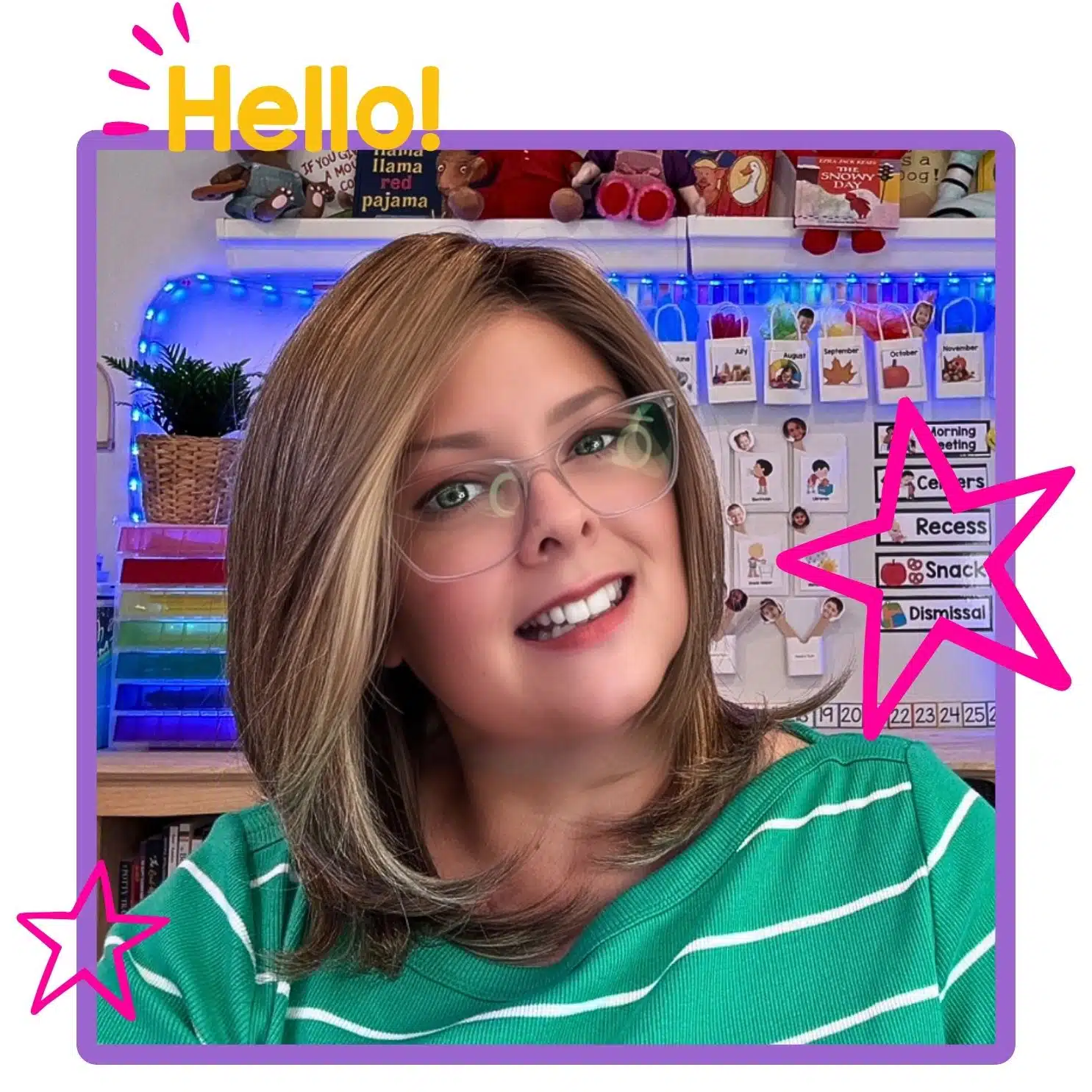
I used to teach in South Korea, which explains my passion for working with second language learners. That’s me in the picture above circa 19 none-of-your-business! While I was in S. Korea I became a second language learner and discovered firsthand how difficult learning another language can be. During my year in S. Korea I learned a few simple phrases and could go to a grocery store or restaurant and get by with my basic skills, but that was the extent of my language acquisition. So why is it that my students often learn so much more than I did in only one year? The difference is summed up perfectly in this quote from the authors of Literacy Beginnings:
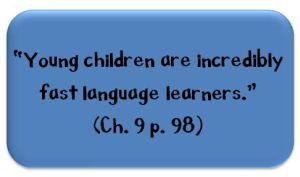
Young children are like sponges when it comes to learning a new language; they absorb it with lightning speed! In this chapter the authors provide 20 suggestions for working with English Language Learners and explain each step in detail. You’ll be happy to know that some of these suggestions are ones we have already covered in our book study. We explored a few oral language activities that support second language learners and engaging children in conversation in Chapter 6. Scott also offered authentic ways to engage young children in conversation in his review of Chapter 7.

I think the most important thing to glean from these suggestions is that all of the best practices in early childhood education will benefit students who are learning a second language. Using props, pictures, and demonstrations to convey meaning and infusing your day with opportunities for conversation is something all good teachers of young children do, but it is especially important for teachers of students learning a second language.
Do you have English Language Learners in your classroom?
Here are 3 of my favorite tips from the book for working with young English Language Learners:
- When working with young English Language Learners keep your language clear and simple; remember shouting won’t help them understand what you are trying to say.
- Validate children’s attempts at using their new language and rephrase their mistakes without correcting. For example, Min Jung says “Me home now?” and the teacher says “Yes Min Jung, we are going home now.”
- Provide extra time for your second language learners to respond to questions.
- New vocabulary can be introduced through the use of interactive read alouds. For example, if you are reading a book about chicks you might say something like this; “The chick is using his beak to peck his way out of his shell. Show me how you use your beak and peck your shell.” Act out the scenario with the students by using your hand to make a beak and pretend to peck while you say the word aloud.
What are some specific activities you do to support second language learners in your classroom?

Another area I am very passionate about is working with parents who are English Language Learners. Above you can see our class mascot dressed in our school uniform. I use School Bear as a prop at our parent orientation to explain what a uniform is and to show the types and colors of the clothing. If I’ve learned anything about working with non-native speakers it’s that the terms “khaki” and “polo shirt” don’t translate well in most languages!
The authors also recommend learning about the children’s home languages and cultures to create a strong home-school connection. One of the ways this can be done is through home visits. We discussed ways to make your weekly newsletter or electronic communications more reader friendly for parents who are not native English speakers in Chapter 5. The authors also encourage teachers to carefully select books to read aloud and create classroom environments that reflect the varied cultures of their students.
What tips do you have for working with parents who are non-native English speakers?
A pervasive theme throughout this book and also mentioned in this chapter is the importance of hands-on literacy learning. Leslie also addressed this in Chapter 8. We’re going to discuss this topic in more depth in future chapters.
What are your thoughts on Chapter 9? Leave a comment below! If you write a response on your blog, be sure to link up to the Linky party below.
Are you tuning in late? No worries! Matt from Look at My Happy Rainbow has graciously started a guide with links to all the chapters! Not sure what’s going on? Check out the Literacy Beginnings FAQ for answers.
Read the fantastic responses to each chapter listed in the linky below.
Chapters 10 and 11 will be hosted by Matt from Look at My Happy Rainbow so stay tuned!
Want to let your friends know about the book study blog party? Click “Like” at the top of this page or choose from other social media options below.