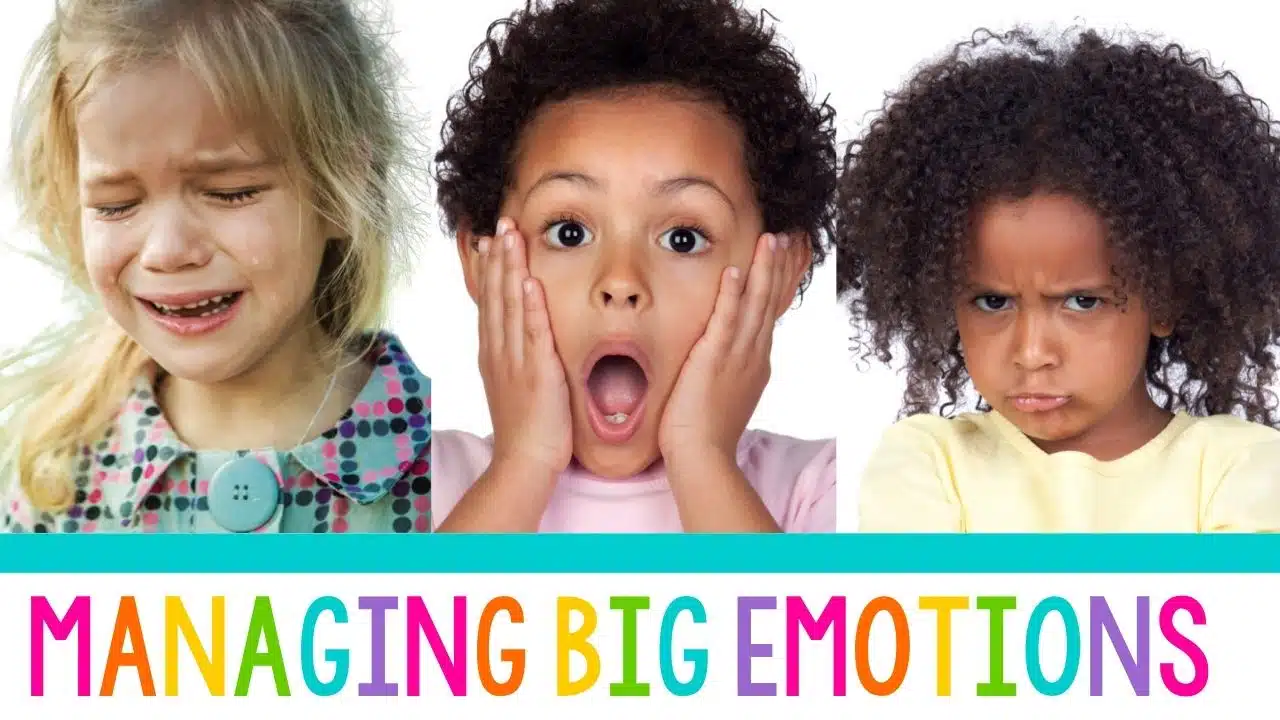


All preschoolers have big emotions. These days it can seem like preschoolers have big emotions more often, but are less able to manage them. If you’re facing a room of little learners with big social-emotional needs, we’re here to help!
Watch the Episode
In this episode of my podcast Elevating Early Childhood, special guest host Meg and I dive headfirst into a topic that touches the heart of every preschool teacher: handling young children’s big feelings and emotions in the classroom. Meg is a member of Teaching Trailblazers and has worked for over 20 years in early childhood, teaching both preschoolers and preschool teachers. Let’s explore the world of preschool emotions and how we can best support our little learners in the classroom.
Why Social Emotional Learning Matters
In the aftermath of the pandemic, research has shown significant delays in social and communication development among preschool-aged children. For instance, a University of Calgary study found that one in three babies born during the pandemic displayed delays in social or communication skills. These children are now in our classrooms. They struggle with recognizing the feelings and emotions of others, which helps develop empathy and cooperation. Preschoolers now require extra support managing their big emotions, which makes social-emotional learning (SEL) more essential than ever in your classroom.
Big Emotions: Spotting the Signs of SEL Struggles
Early in the school year is an opportune time to observe children’s social-emotional development. When you see some of these behaviors, you know that children may be struggling with big emotions.
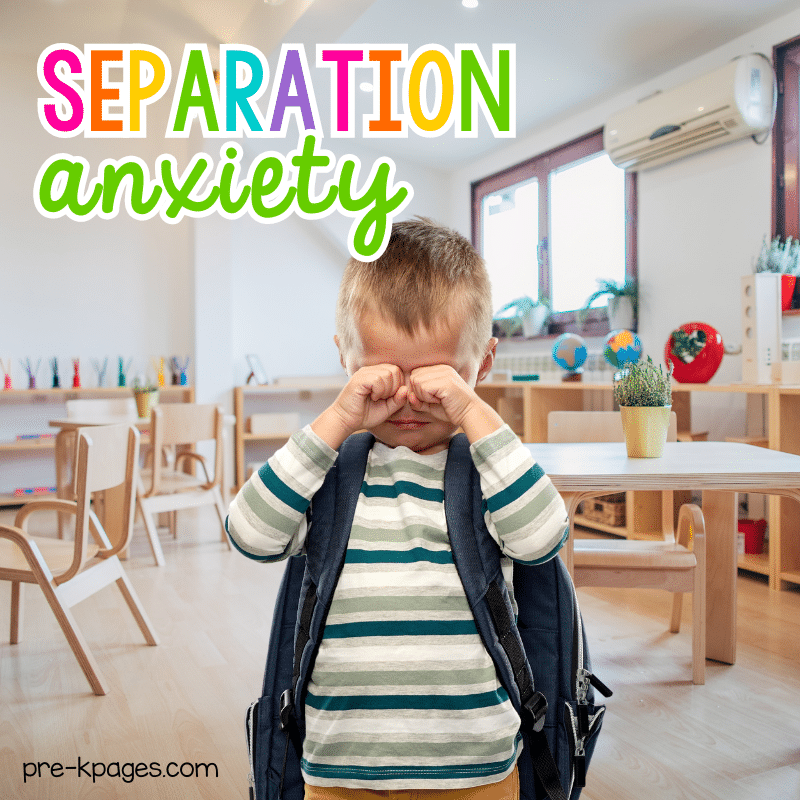
- Separation Anxiety – a hard time separating from primary caregivers during drop-offs
- Difficulty During Transitions – struggling when needing to move from one activity to another; refusing to clean up
- Interactions with Peers – larger than average reactions to conflicts or difficulty playing with others
Children displaying these behaviors might need a little extra emotional support to help them navigate their big feelings.
Tips for Social-Emotional Learning
Look for ways to incorporate SEL in your routines and daily activities. Use a Feelings Check In at the start of the day (and maybe throughout the day) to identify and discuss feelings. Play Emotions Bingo to build vocabulary in a fun way. Help a child connect faces (real photographs) with the names of feelings and use mirrors for children to look at their own faces making various emotions.

Books are another fantastic resource. Incorporating stories about feelings into your daily routine not only helps build vocabulary but also models empathy and understanding. Our curated book lists on feelings such as frustration, sadness, and anger can guide you in picking out the perfect read-alouds. Use social stories specifically for preschool ages to help children identify and understand various emotions and how to react to them.
Remember Your Own Social-Emotional Well-Being
As teachers, our emotional well-being is just as important. Practicing mindfulness and using relaxation techniques, such as yoga or breathing exercises, can help us maintain our composure and model calm behavior for the children. If the teacher is not regulated, the children cannot be regulated. When strong emotions show up in the classroom, take a deep breath and maintain a calm voice. When using yoga poses with children, do them, too. This will help you remain calm and also show children that these activities are important for everyone.

Remember, social-emotional learning is not just another task to add to your teacher duties. SEL is a fundamental part of preparing children for academic success. If no solid SEL foundation is built in the classroom, children will continue to struggle and challenging behaviors will continue. Preschoolers who begin to develop self-regulation are much more ready to learn academics.
Watch the full episode for all the SEL strategies that Meg and I discuss.