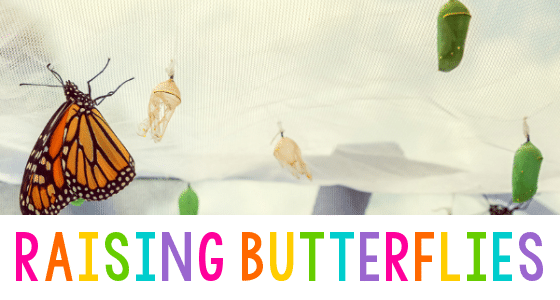

Young children are often filled with wonder and amazement at the natural world around them. This innate curiosity makes raising butterflies in late spring the perfect science experience for preschoolers.
Benefits of Raising Butterflies in Preschool
Your preschoolers will learn so much by raising butterflies at home or in the classroom. They will gain first-hand knowledge about the butterfly life cycle just by observing it in real time.
Preschoolers will also learn about what butterflies need to live. First-hand experiences observing caterpillars and the life cycle of butterflies will help children make personal connections to the natural world.
Raising Butterflies
Supplies Needed
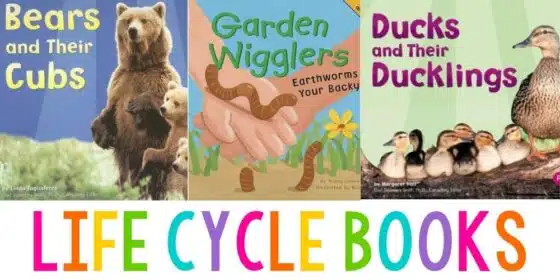
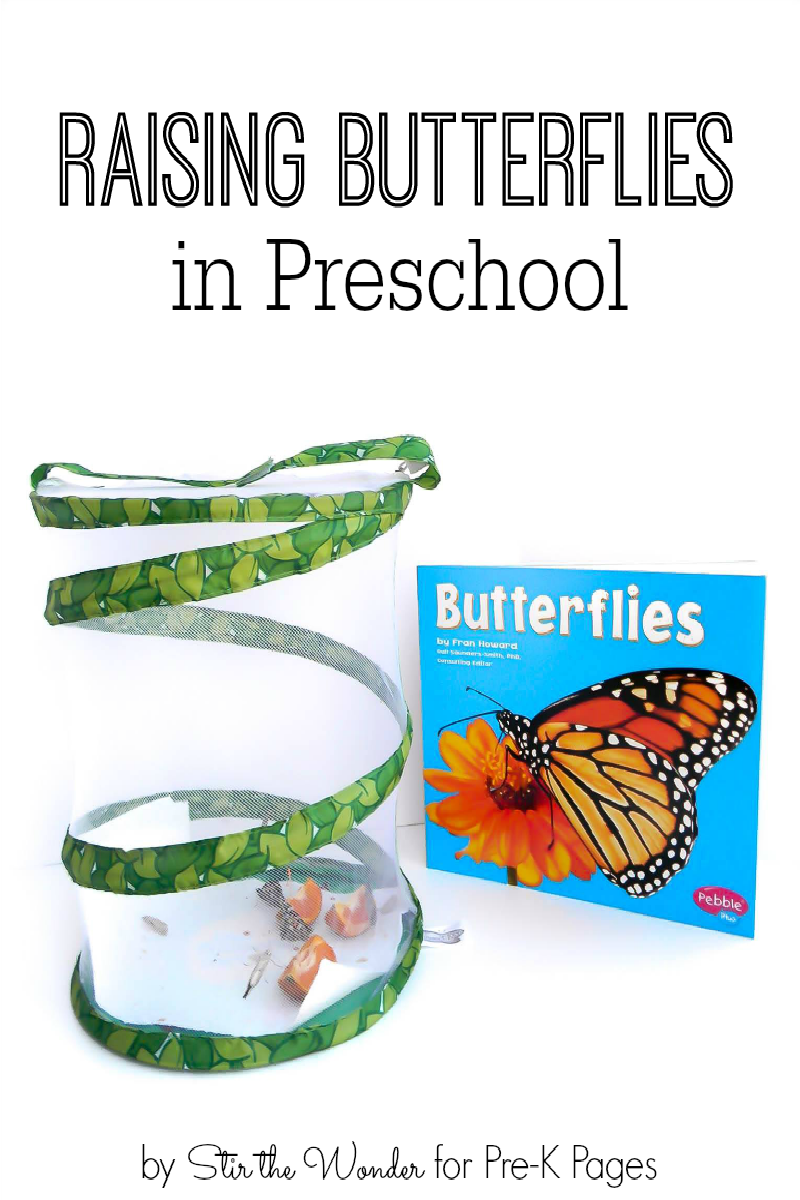
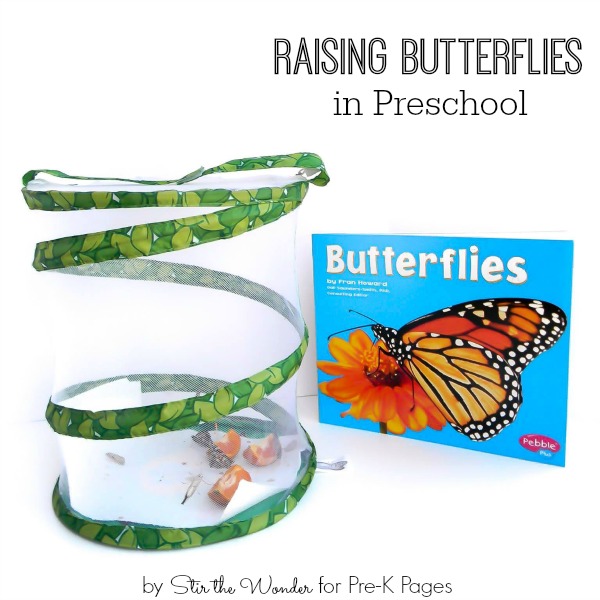
- Book about butterflies such as Butterflies by Fran Howard or Caterpillar to Butterfly by Laura Marsh
- Butterfly Garden Kit
- Cup of Caterpillars
Check out this research-based, playful learning unit in our curriculum shop!
Ultimate Spring Themes Pre-K Lesson Plan Bundle
This pack is filled with 19 of our most popular spring theme resources, including math, literacy, circle time, fine motor, dramatic play - and more!
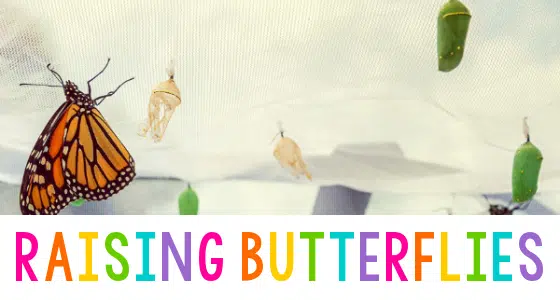
Before you begin raising the caterpillars, read a book about butterflies. Then set out the cup on a table or counter and explain to the children that the caterpillars will eat the food provided in the cup. The caterpillars will continue to grow and shed their skin about five times before getting into position at the top of the cup to create their chrysalis. At this time children need to be careful not to jostle the cup. If the caterpillars fall during this process, they may not properly go through metamorphosis.
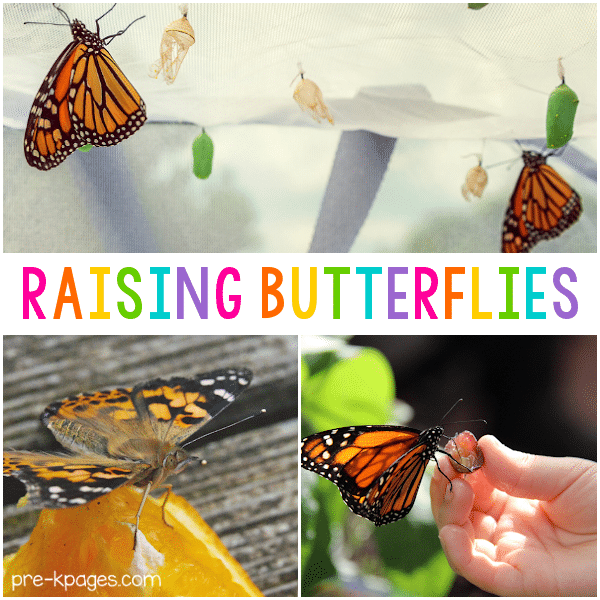
Once the chrysalis has formed you can then take them out of the cup and place them in your butterfly garden. The caterpillars spend several days in the chrysalis transforming into adult butterflies. Preschoolers will enjoy watching the chrysalis for signs that the butterfly is ready to emerge.
Once the butterflies emerge they will take a few days to dry out their wings and gain some strength. Preschoolers will love watching the monarch butterflies feed on sugar water or orange slices! After a few days it will be time to release the butterflies.
On release day, make sure you are in a warm, sunny spot, protected from the wind. These little butterflies will stay in their butterfly garden if it is too cool or windy.
Literacy and Science Connection
In addition to reading about butterflies, you can add more literacy connections. Every few days, encourage children to observe and talk about what they see. Encourage them to use new vocabulary words (like “chrysalis”). Introduce new words (like “metamorphosis”).
Lay paper and colored pencils at the science center or near the butterfly garden for children to record their observations. They can draw pictures or print letters to record those observations. Providing opportunities for your kids to read, write, and talk about the changes they’re observing will make this learning experience more meaningful.
Raising butterflies provides lots of real-world experiences and many learning opportunities!
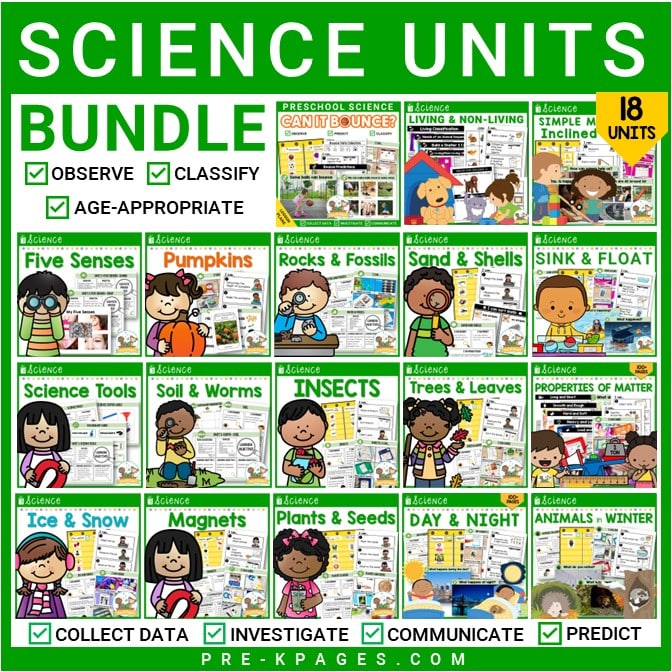
Preschool Science Curriculum
Having an amazing science experiences in your preschool classroom is wonderful, but without a rock solid science curriculum to follow, you’ll be throwing spaghetti at the wall and just hoping some of it sticks. For true foundational science learning to occur in your preschool classroom, you need a standards-based curriculum that is both engaging and developmentally appropriate for young children.
A high-quality science curricula serves as a framework upon which the content is built and delivered to the students. For example, this is how students will begin to understand that cyclical changes take place in nature and animals. Without a research-based science curriculum, they may just think these changes are magical or occur without reason or purpose.
With 18 comprehensive units, the Trailblazer Science Curriculum for Preschool is standards aligned so you can rest easy knowing your little learners are getting exactly what they need to build a strong foundation for future scientific success.
Free Flower Math Game Printable
Looking for more flower fun? Get this printable flower math game sent to your email simply by filling out the form below.
Contributed by Samantha from Stir the Wonder.
More Science Ideas