
Are you looking for ways to help your preschoolers learn how to count and identify numbers in your preschool, pre-k, or kindergarten classroom?
Numbers and Counting
Activities and information about teaching numeral recognition, identification, and counting skills in preschool, pre-k, or kindergarten classrooms.
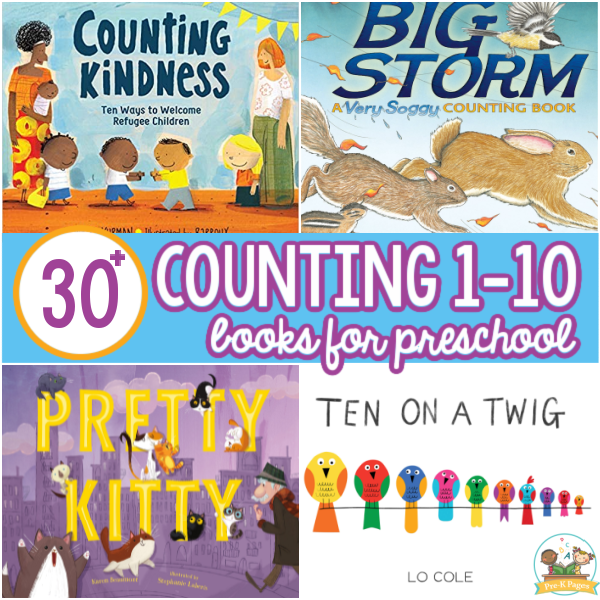
Books About Numbers and Counting
Use this counting book list to help your little learners practice numeral recognition and identification skills.
Numbers and Counting Activities for Preschool
Number and Counting Books
You can find a complete list of books about numbers and counting here.

Place books about numbers and counting in your classroom library.
Number Activities
Sandpaper Number Rubbings
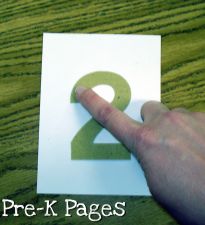
Materials: sandpaper, glue, die-cut machine, heavy cardstock, regular paper, crayons
Buy inexpensive sandpaper at the Dollar Store and cut numerals on it with the die-cut machine. If you don’t have access to a die-cut machine you can trace the numerals on the sandpaper and cut out with scissors. Next, glue the numerals to heavy cardstock paper. I keep a set of these numbers in my math center and the children cover the numbers with paper and make number rubbings using the side of a peeled crayon. They also love to just trace the numbers with their fingers, it’s great for tactile learners.
Ziploc Quilt Game Board

Learn how to make your own Ziploc quilt game board to practice number identification and counting HERE.
Penguin Counting Game

Learn how to play this fun, hands-on penguin counting game HERE.
Printable Dot Counting Book
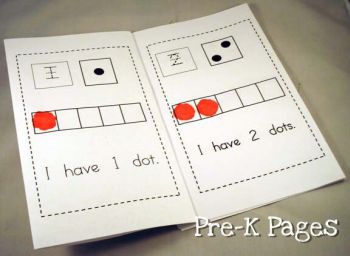
This free, printable 1-5 dot counting book pictured above is available here.
The free, printable 6-10 dot counting book is available on the blog here.
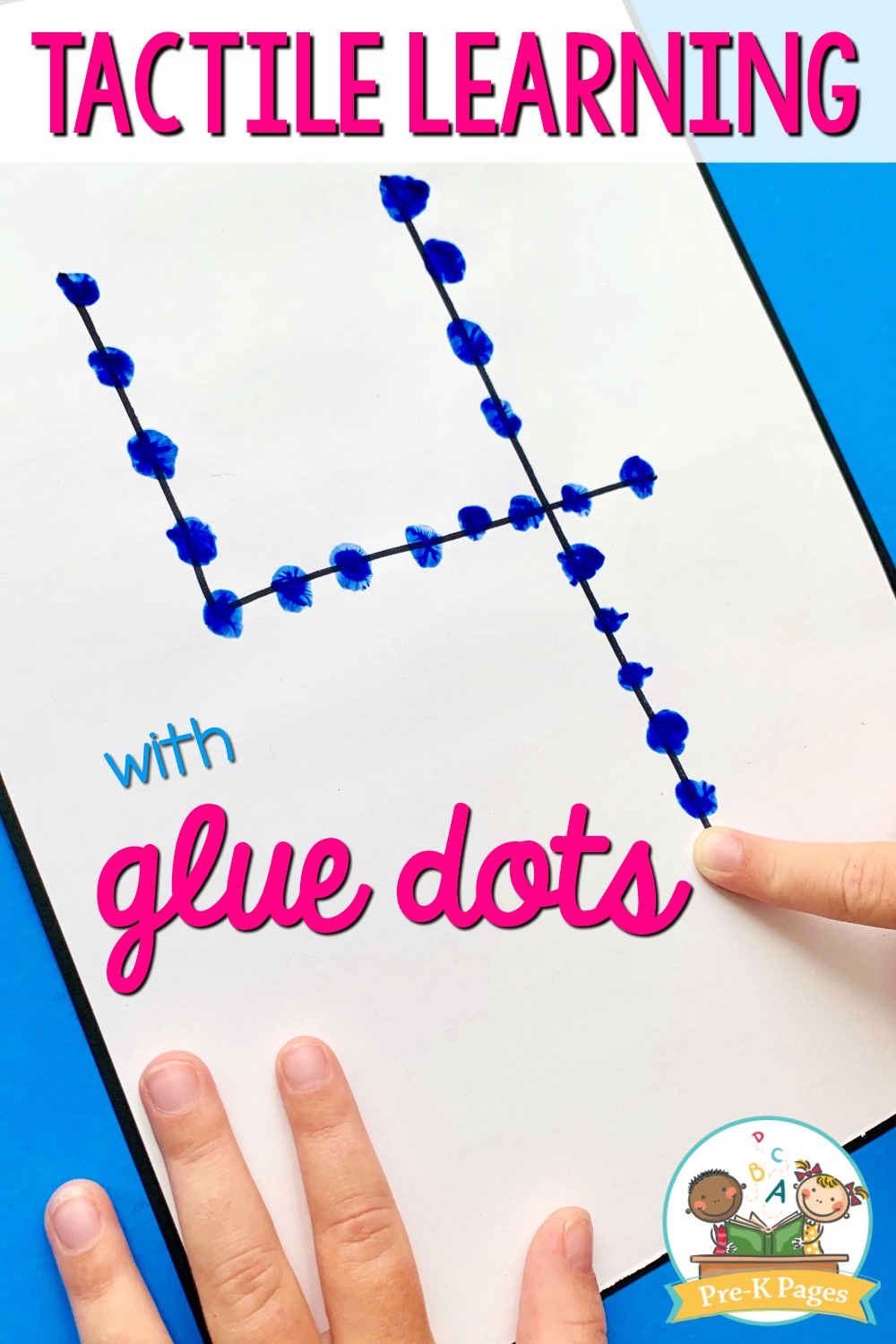
Glue Dot Numbers
Make glitter glue dot numbers to help your students learn and retain numeral names. Just write each numeral on an index card and add thick glue dots all along the number. When the glue is dry, students can use their finger to trace over the top of each numeral as they say the numeral name. This tactile activity helps the numeral name stick in long term memory.
Fishing for Numbers Game Freebie

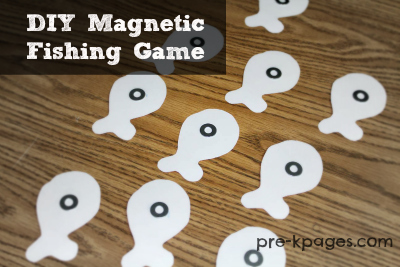
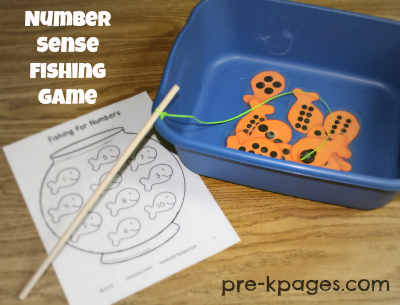
You can download the Fishing for Numbers Game printable HERE. It includes the directions for making your own magnetic fishing poles, fish templates, and recording sheet.
Play Dough Number Mats
Materials: paper, computer printer, playdough
Print out large numerals 0-10 on your printer and laminate. Put these “play dough mats” in your play dough center and show your students how to roll out snakes and place them on the mats to make numbers. This is good practice for both number recognition and fine motor skills. You can find printable play dough mats HERE
Thematic Math Activities
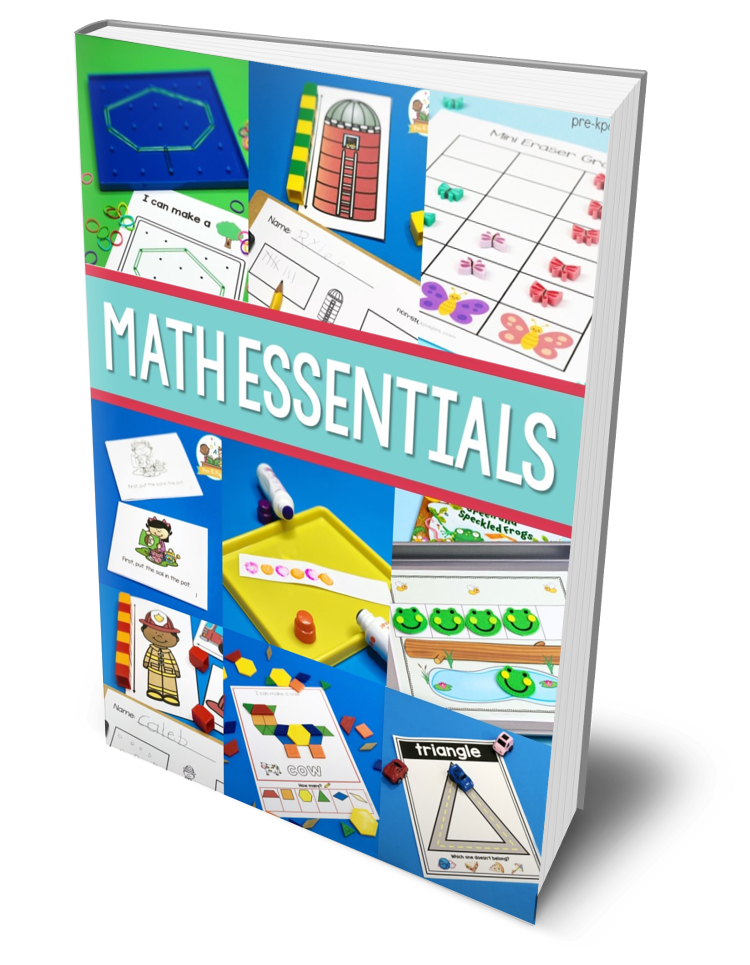
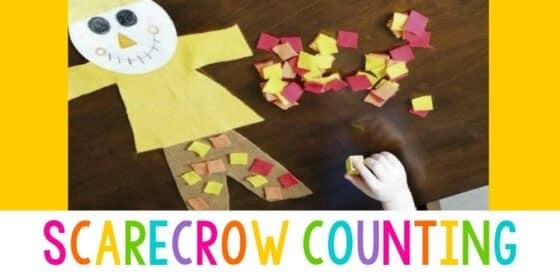
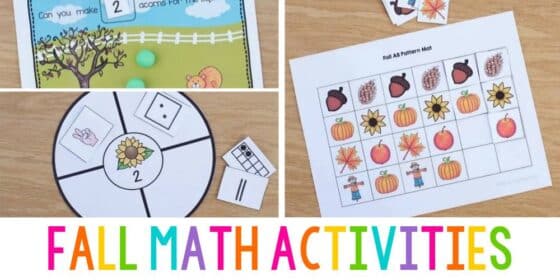
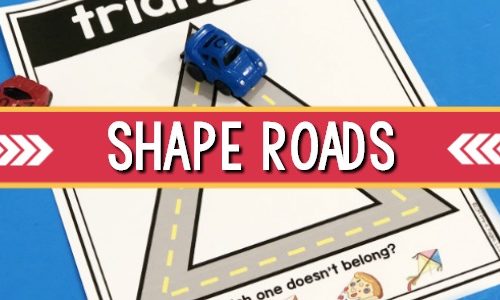
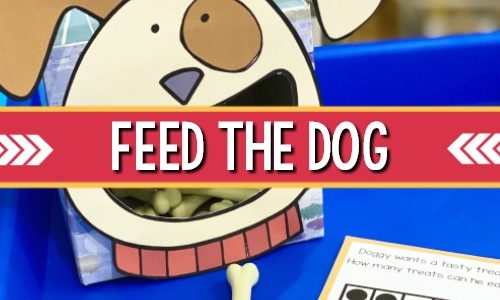
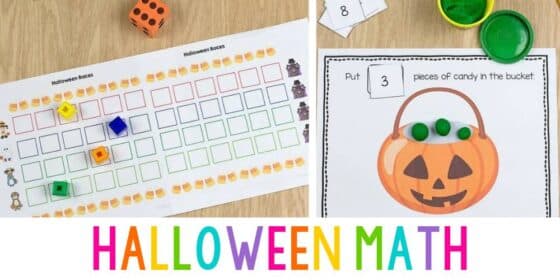
I have many thematic math activities on the individual Theme Pages.


These are such great ideas! Thanks! My students will like this!